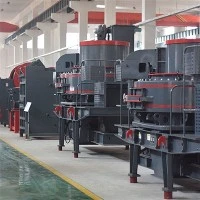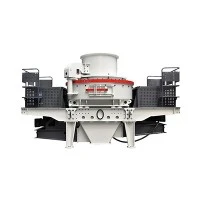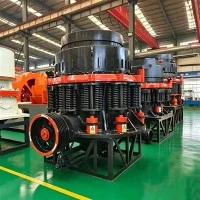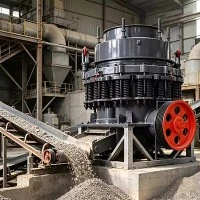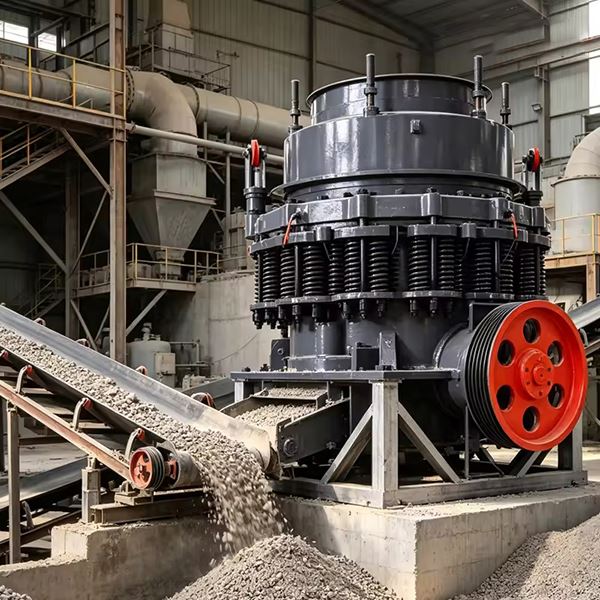

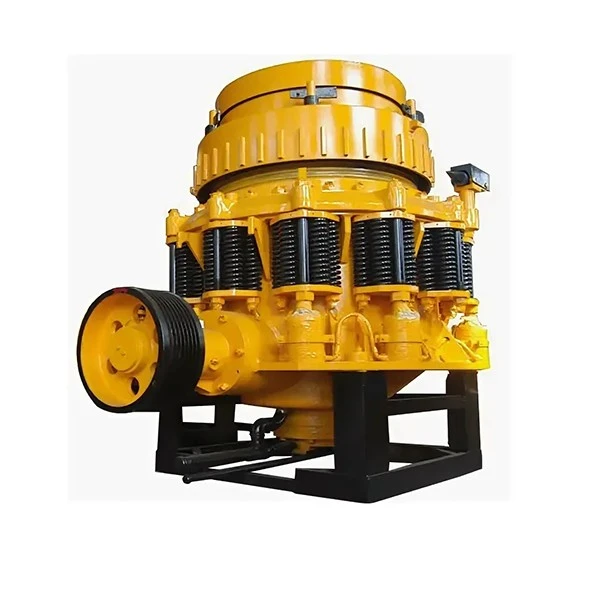
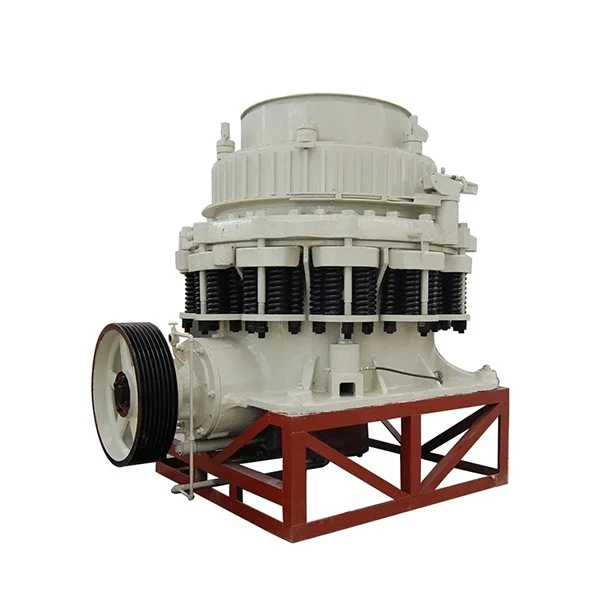
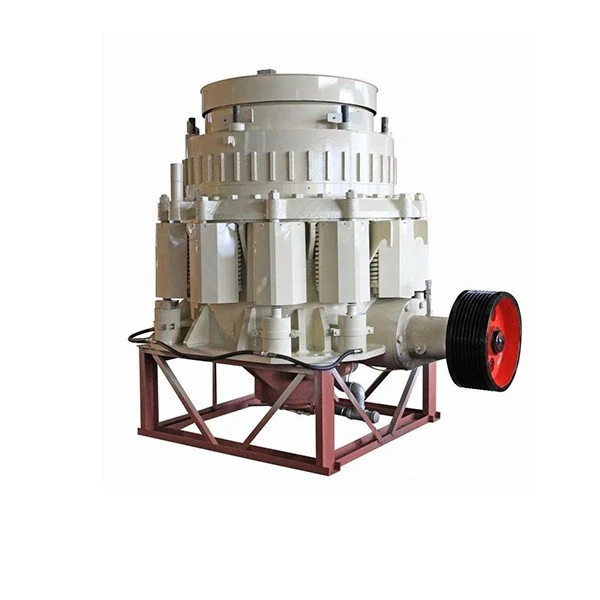
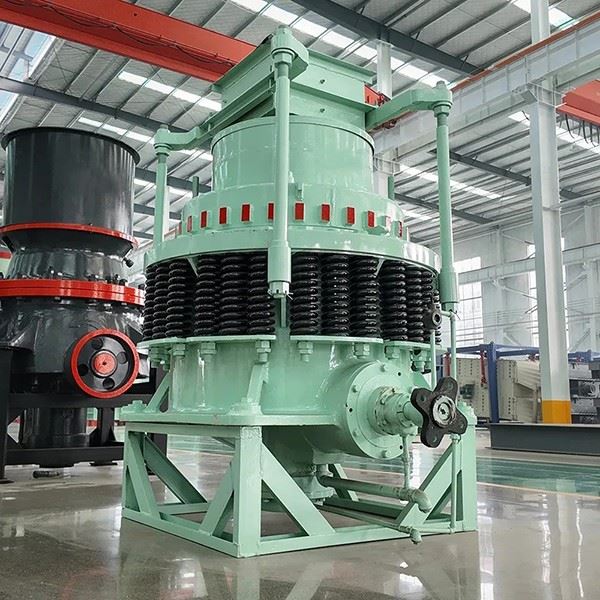
Choosing between a cone crusher and a jaw crusher is a key decision for designing a crushing plant, as the two machines play different roles in rock processing. A jaw crusher uses compression between a fixed and a moving jaw and is the standard choice for primary crushing, handling feed sizes up to 1,200 mm with an output of 10–350 mm and capacity up to 1,000 t/h. A cone crusher uses compression and squeezing between a rotating mantle and a fixed concave, and is typically selected for secondary and tertiary crushing, handling feed below 450 mm with a finer output of 4–41 mm and capacity up to 2,181 t/h. While a jaw crusher handles materials of almost any hardness, a cone crusher excels on hard rocks and ores and produces a higher content of cubical particles. YDL supplies both types with our in-house cast wear parts, helping you choose the right rock crusher for your quarry, aggregate or mining project.
Product feature
Jaw Crusher:
- Primary crushing of large feed up to 1,200 mm
- Handles materials from very soft to very hard, with no abrasion limit
- Lower initial purchase cost and simple, robust structure
- Requires even feeding by a feeder; auxiliary silos and feeders needed
- Output 10–350 mm, used as the first stage before secondary crushing
Cone Crusher:
- Secondary and tertiary crushing for hard rocks and ores
- Finer output of 4–41 mm with high cubical particle content
- High capacity up to 2,181 t/h for continuous large-volume operation
- Can be fed directly until full, without extra silos or feeders
- Higher initial price but longer wear life and lower maintenance cost
Product application
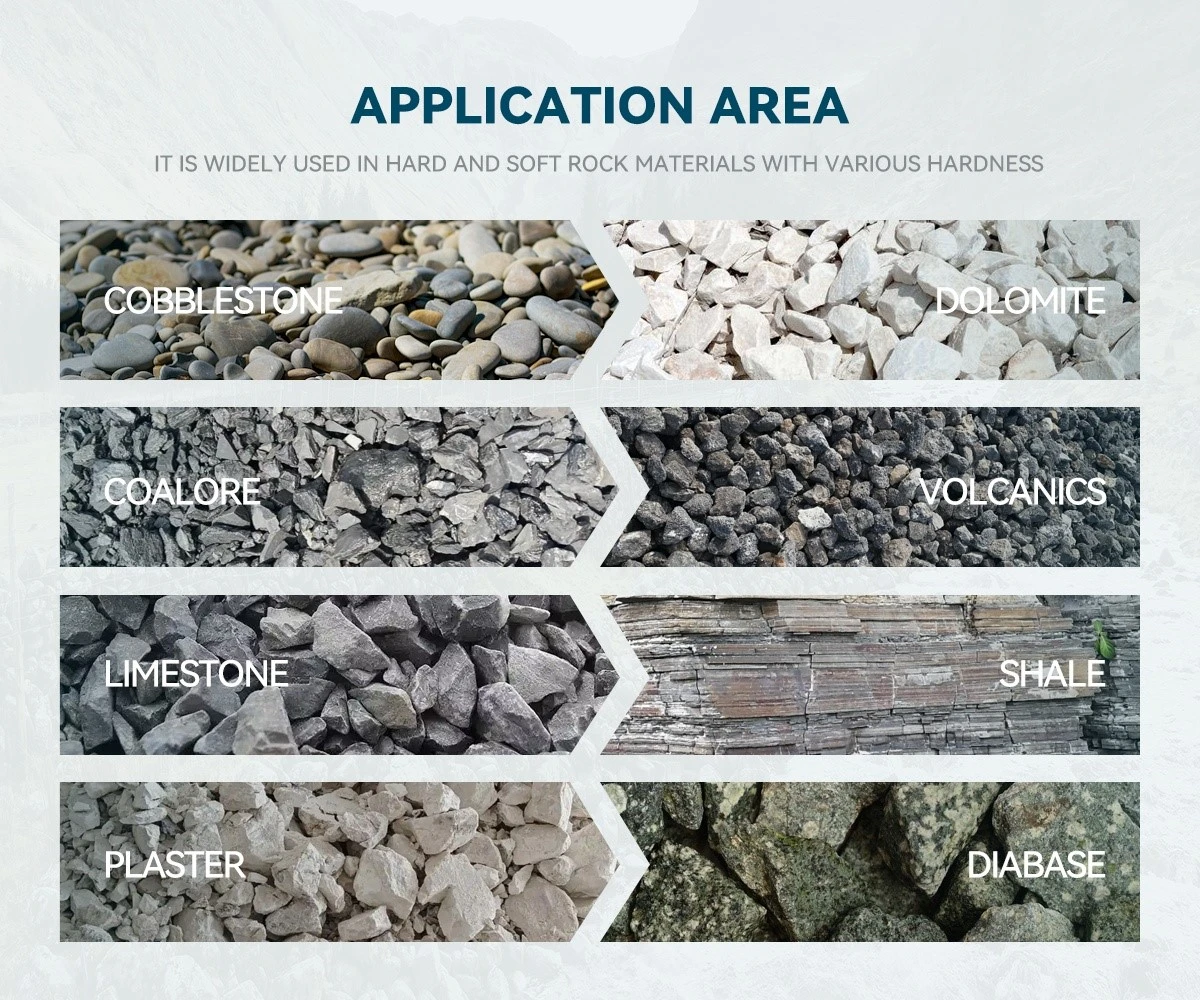
- Jaw crusher: primary stage for granite, basalt, river pebble and ore in mines and quarries
- Cone crusher: secondary stage for high-grade highway aggregate and concrete aggregate
- Both combined in one line for efficient primary-to-final crushing
Product qualification


FAQ
Q: What is the difference in feeding requirements between the two?
A: A cone crusher can be fed directly until full, with no extra silos or feeders needed. A jaw crusher must be fed evenly by a feeder, and the material in the chamber should not exceed two-thirds of the chamber height, so it requires additional feeding equipment.
Q: Which crusher produces better-shaped aggregate?
A: A cone crusher generally has a higher content of cubical particles in the product, making it suitable for high-grade highway anti-skid pavement and concrete aggregate. A jaw crusher produces a larger, more irregular product used as the primary stage.
Q: Is a cone crusher more expensive than a jaw crusher?
A: Yes, a cone crusher has a higher initial purchase price due to its more complex structure and wear parts. However, it is also heavier and taller, and its longer wear life and maintenance cycle lower the long-term operating cost.
Q: Can a cone crusher crush viscous, high-moisture materials?
A: No. A cone crusher is not suitable for viscous materials with high moisture content, which can clog the crushing chamber. For such materials, a jaw crusher is more tolerant and is a better primary-stage choice.
Hot Tags: cone crusher vs jaw crusher, China cone crusher vs jaw crusher manufacturers, suppliers, factory, cone crusher, cone crusher mining, cone crusher sizes, Single Cylinder Cone Crusher, small cone crusher, small cone crusher mining