

Introduction
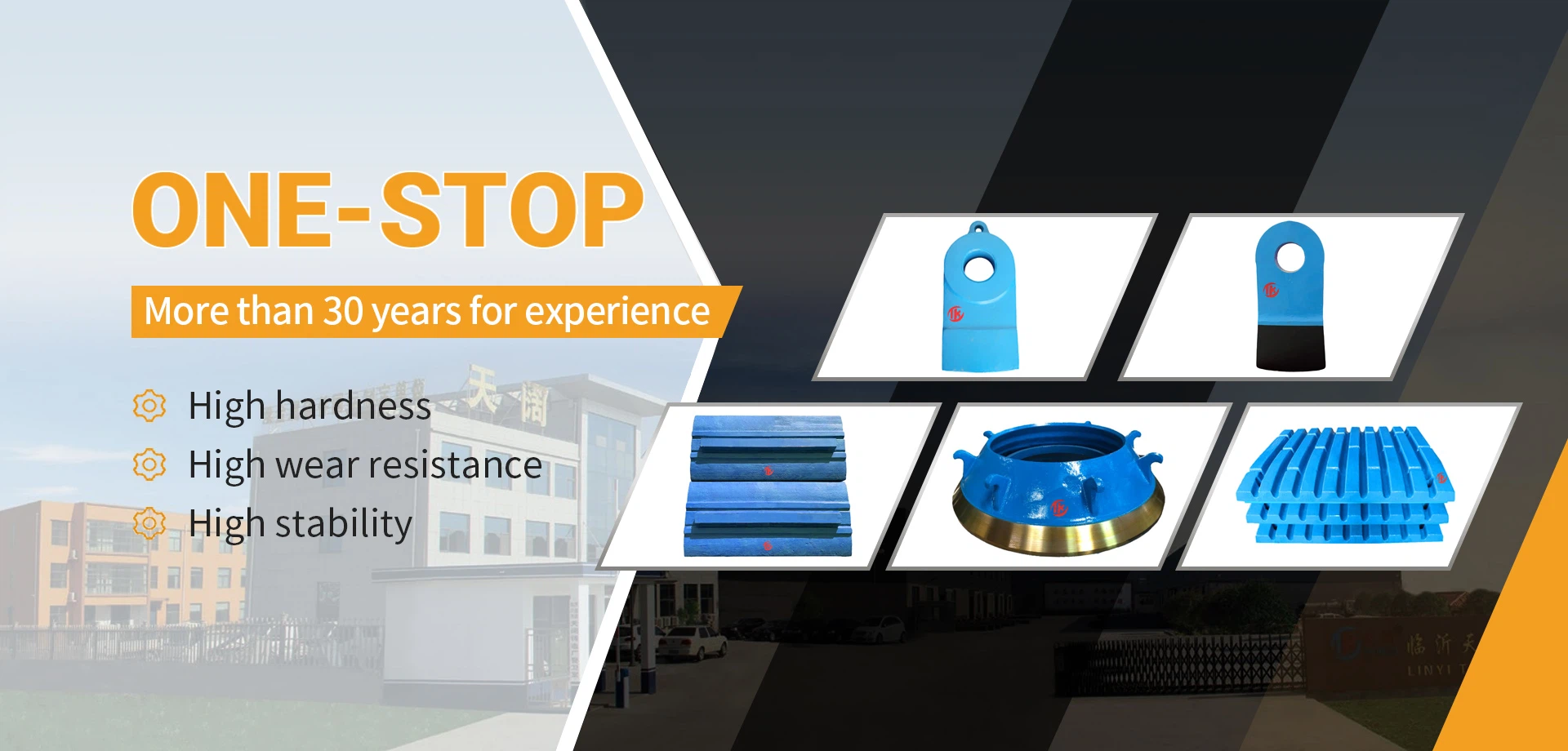
In industrial sectors like mining, construction and metallurgy, hammer heads are critical for crushing and grinding, directly affecting production efficiency and operational costs. Bimetallic hammer heads stand out for their unique mix of hardness and toughness. This article explores their composition and key industrial advantages.
Components of Bimetallic Hammer Heads
1. High-Hardness Alloy for the Striking Part
The striking part, in direct contact with materials, is made of high-hardness alloy containing chromium (Cr), molybdenum (Mo), vanadium (V) and carbon (C). Chromium forms hard carbides for wear resistance; molybdenum boosts toughness; vanadium refines grains to enhance hardness; carbon combines with these elements to form stable carbides, helping it withstand friction and impact.
2. Tough Base Material
The base material, supporting the striking part, is low-carbon alloy steel such as 42CrMo or Q345, with excellent toughness and impact resistance. It absorbs crushing impact energy to prevent breakage, and advanced casting like composite casting ensures strong bonding between the two components.
Advantages of Bimetallic Hammer Heads
1. Exceptional Wear Resistance
Their high-hardness striking part delivers exceptional wear resistance, with a much lower wear rate than single-material heads. Data shows their service life is 2-3 times longer under the same conditions, reducing replacement frequency and maintenance downtime.
2. High Impact Resistance
The tough base ensures high impact resistance. In high-intensity crushing (e.g., large ore blocks), it absorbs impact energy to avoid brittle fracture. A mining case shows bimetallic heads operated 800 hours without cracking when crushing iron ore, while ordinary ones needed replacement every 300-400 hours.
3. Cost-Effectiveness in the Long Run
Though initial purchase cost is higher than single-material heads, their long service life and low replacement frequency lead to lower overall costs in the long run, plus additional savings from reduced maintenance labor and production downtime.
Applications in Industries
1. Mining Industry
In mining, they're widely used in crushers for ores like iron ore, copper ore and limestone. Their wear resistance enables efficient hard ore crushing, and impact resistance adapts to uneven raw ore sizes, improving mining efficiency and reducing equipment shutdowns.
2. Construction Industry
In construction, they play a key role in crushing construction waste, concrete blocks and asphalt. During mixing and demolition, they withstand hard material impacts and maintain stable performance, ensuring smooth project progress, which is especially beneficial for large-scale sites needing continuous operation.
Conclusion
Bimetallic hammer heads, with high-hardness striking parts and tough bases, offer excellent wear resistance, impact resistance and long-term cost-effectiveness, making them ideal for sectors like mining and construction. Future advances in casting and material ratios will further enhance their performance.


