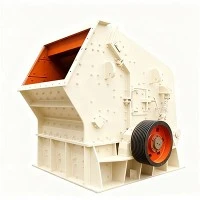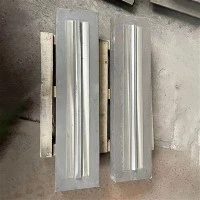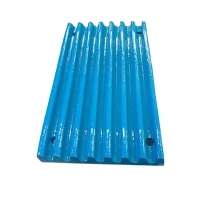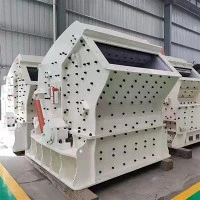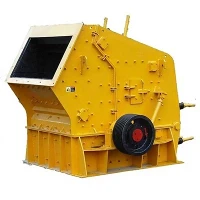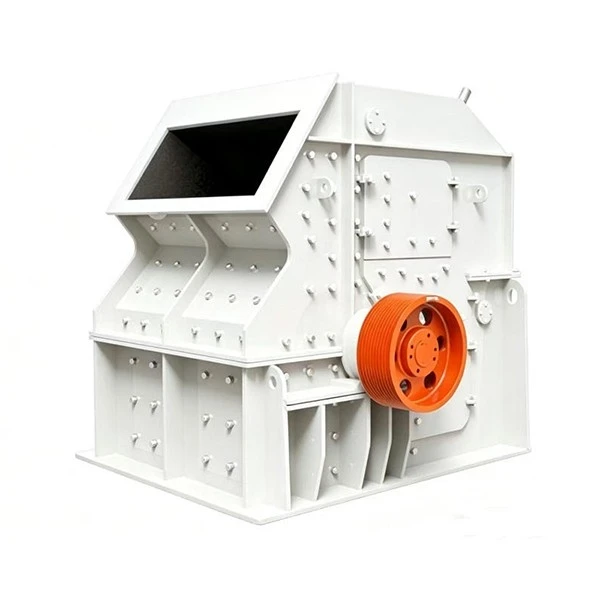
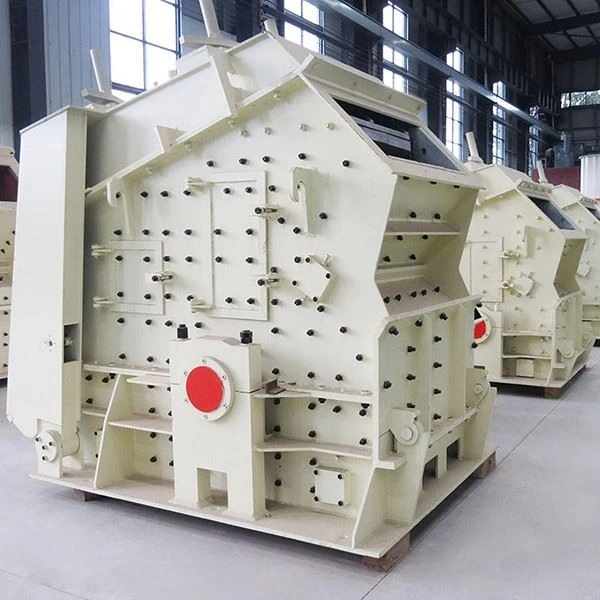
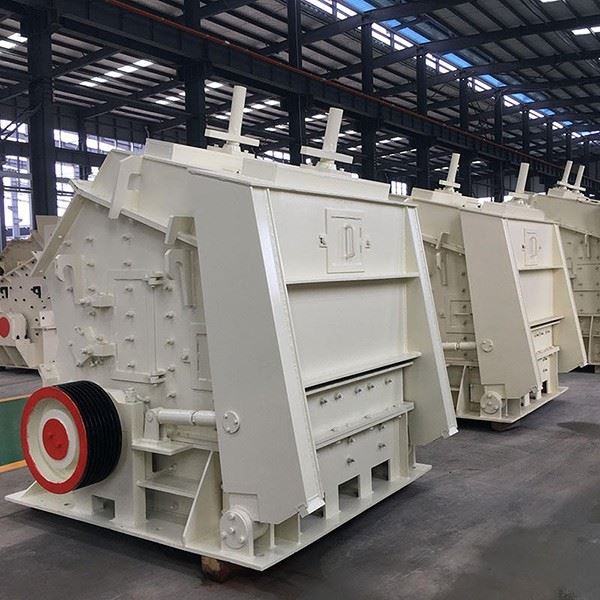
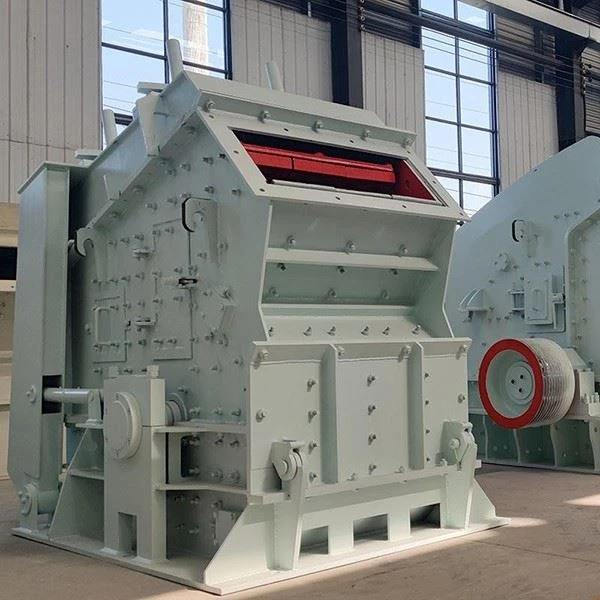
Choosing between an impact crusher and a jaw crusher is a key decision in designing a crushing plant, as the two machines play different roles in the crushing process. A jaw crusher uses compression force between a fixed and a moving jaw to crush large, hard and abrasive rocks. It is the standard choice for primary coarse crushing, handling feed sizes up to about 1,500 mm, with an output of 10–350 mm and a reduction ratio of roughly 4:1 to 6:1. An impact crusher uses high-speed impact force, where material is struck by hammers on a rotor and crushed against impact plates. It is commonly selected for secondary crushing of soft to medium-hard materials, delivering a more uniform and rounded product of 10–80 mm with a reduction ratio up to 20:1 in a single pass. YDL supplies both types with our in-house cast wear parts, helping you choose the right rock crusher for your production line.
Product feature
Jaw Crusher:
- Compression crushing with fixed and moving jaw plates
- Ideal for primary crushing of large, hard and abrasive rock
- High capacity up to 1,435 t/h for big volumes
- Simple structure, robust and reliable with lower wear cost
- Output 10–350 mm, irregular particle shape
Impact Crusher:
- Impact crushing with high-speed rotor hammers and impact plates
- Suitable for soft to medium-hard brittle materials
- Higher reduction ratio, up to 20:1, fewer crushing stages
- Produces uniform, cubic and well-shaped particles
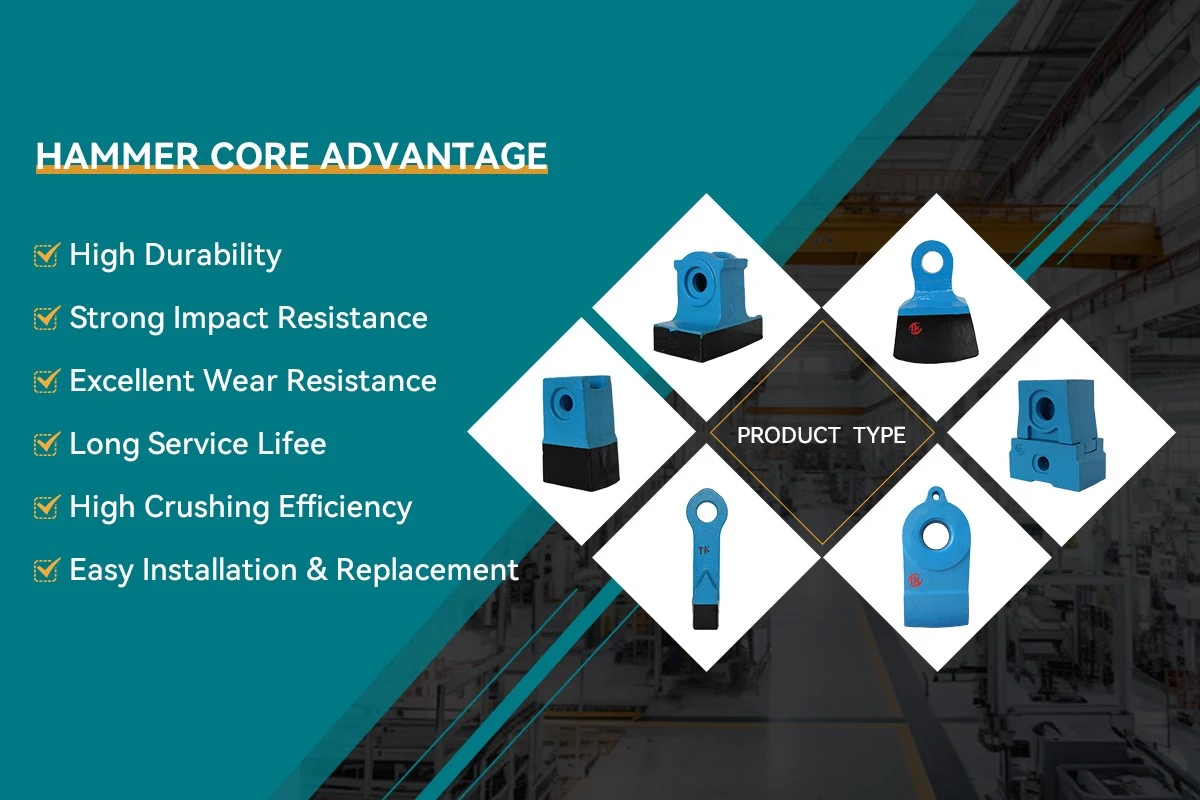
- Lower energy use; wear parts need more frequent replacement
Product application
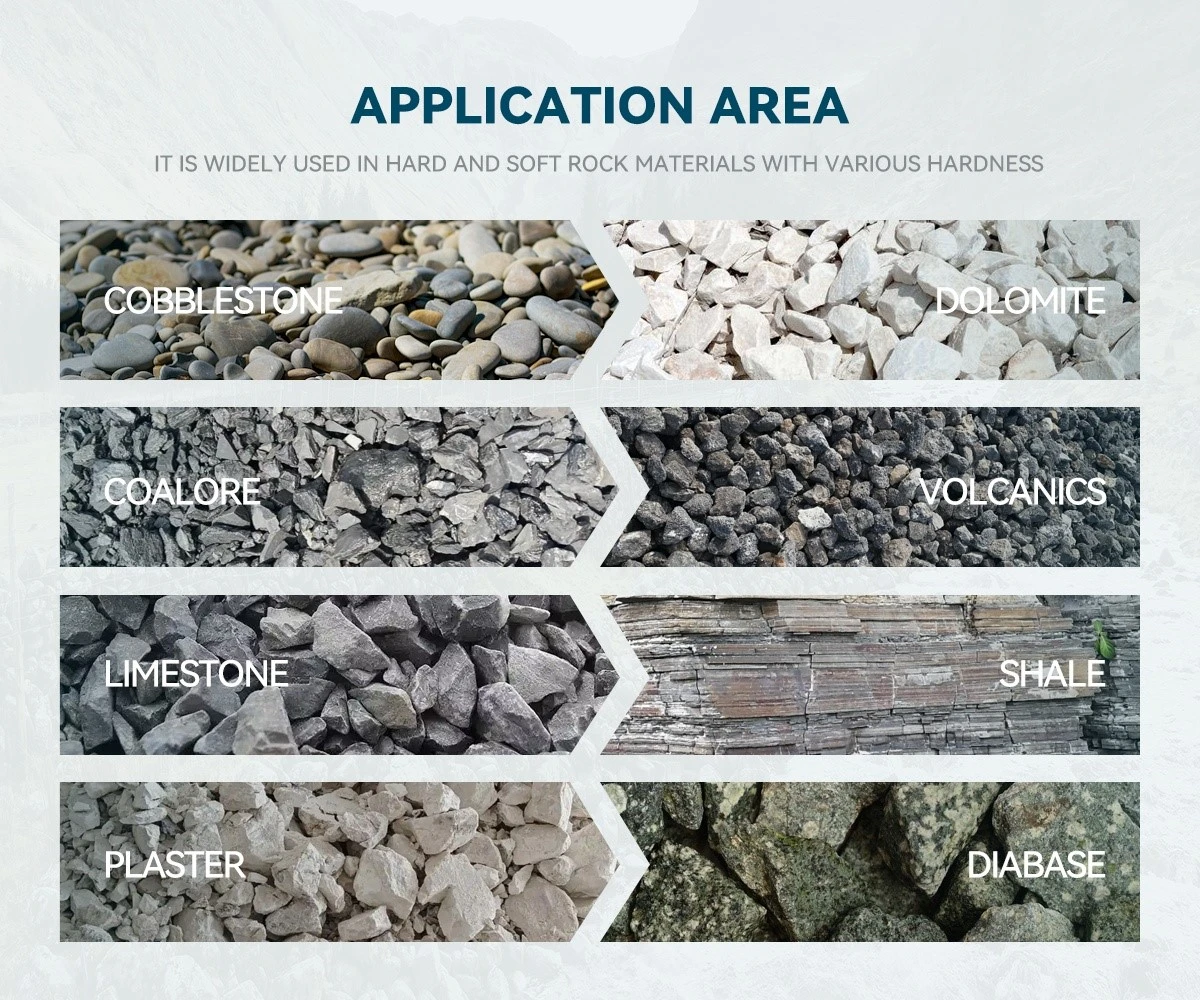
- Jaw crusher: primary stage for granite, basalt, quartzite and ore in mines and quarries
- Impact crusher: secondary stage for limestone, concrete aggregate, asphalt and recycled material
- Combined in one plant for efficient primary-to-final crushing
Product qualification


FAQ
Q: Which crusher should I use for primary crushing?
A: A jaw crusher is preferred for primary coarse crushing of large, hard and abrasive rock, as it handles big feed sizes and tough materials reliably with a simple, robust structure.
Q: What is the difference in product shape between the two?
A: A jaw crusher produces irregular particles with mixed sizes, including some large pieces. An impact crusher produces uniform, rounded and cubic particles, which are better for concrete aggregate and asphalt applications.
Q: What is the reduction ratio of each crusher?
A: A jaw crusher typically achieves a reduction ratio of about 4:1 to 6:1. An impact crusher achieves more, commonly 8:1 up to about 20:1, so it can reduce a larger feed to a smaller final size in a single pass.
Q: How do I choose between a jaw crusher and an impact crusher?
A: For primary crushing of hard, abrasive material with high capacity, choose a jaw crusher. For a higher reduction ratio and cubical product from softer or medium materials, choose an impact crusher. Our engineers can help you design the right configuration.
Hot Tags: impact crusher vs jaw crusher, China impact crusher vs jaw crusher manufacturers, suppliers, factory, best double rotor impact crusher, compound impact crusher, Double Rotor Impact Crusher, impact crusher, mining crusher, small impact crusher