

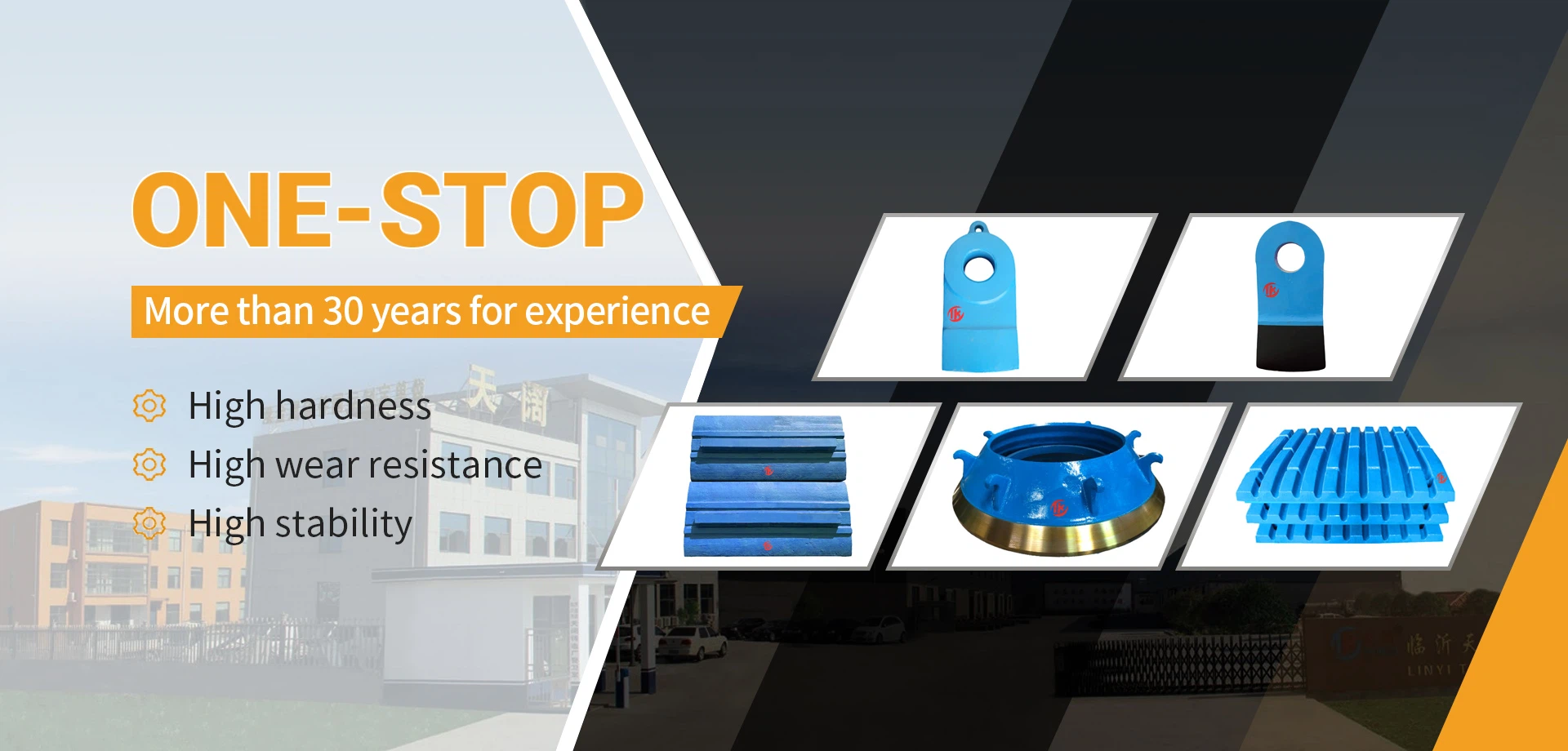
Bimetallic hammer heads gain prominent advantages by leveraging differentiated material configurations for the hammer head and handle, delivering superior performance in crushing operations.
Firstly, enhanced wear resistance is a key strength. The hammer head (working part) uses high-hardness wear-resistant alloy treated with special heat, achieving a hardness above HRC60. This allows it to effectively resist abrasion from hard materials like ores and concrete during intense crushing, significantly prolonging the service life of the working surface in harsh environments.
Secondly, excellent impact resistance ensures operational safety. The hammer handle adopts high-toughness alloy structural steel, which excels in absorbing and buffering severe impact forces during crushing. This prevents the hammer from breaking due to brittleness, ensure the continuity of operations and reducing unexpected downtime caused by component failure.
Moreover, this dual-material design solves the traditional trade-off between hardness and toughness. It integrates the wear resistance of the hammer head with the impact resistance of the shank, achieving a balanced performance that traditional single-material hammer heads cannot match.
Ultimately, these advantages translate to lower operational costs by reducing replacement frequency and maintenance needs, while ensuring efficient and stable performance across mining, construction, metallurgy, and other industries.


